
Beyond the Storm
If there is one thing we’ve learned in the first few months of 2026, it’s that the Kenyan climate is no longer “predictable.” Following the devastating floods in March that swept through Nairobi and its satellite towns, the conversation in the construction industry has shifted overnight.
At Centimax Design & Construction, we are seeing a move away from purely “aesthetic” builds toward what we call “The Resilience Era.” Whether you are a first-time homeowner in Ruaka or a commercial developer along the Eastern Bypass, here is how the trends of 2026 are reshaping the way we build.
1. The “Sponge City” Approach: Managing Runoff at the Source
The March 2026 floods exposed a massive gap in our urban planning. Traditional concrete-heavy designs simply couldn’t handle the volume of water, turning roads into rivers.
The new trend is Permeable Architecture. Instead of paving your entire compound with solid cabro, we are now implementing “Sponge” techniques. This includes:
-
Permeable Pavers: Allowing rainwater to soak into the ground rather than flooding the street.
-
Rain Gardens & Bioswales: Landscaping that is specifically designed to absorb and filter stormwater.
-
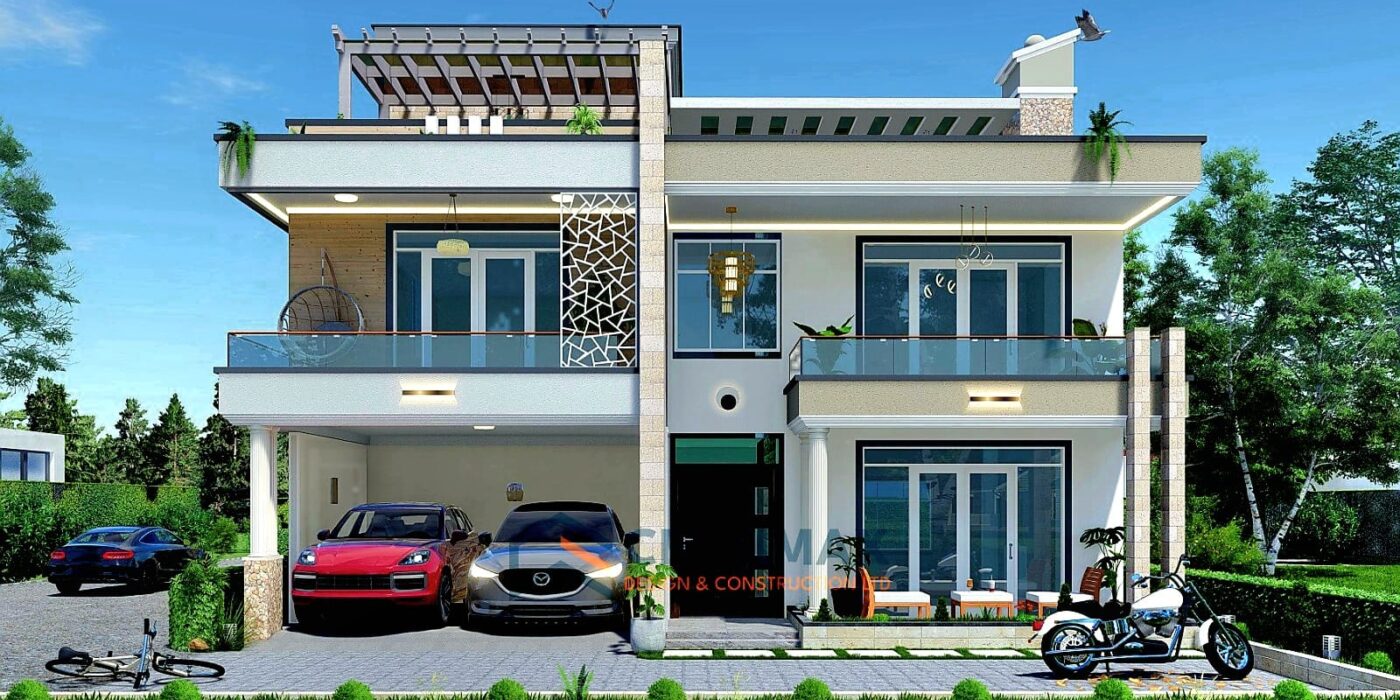
Roof Terraces: Using flat-roof designs not just for views, but to host vegetation that absorbs rainfall—a trend recently highlighted by the award-winning Les Jardins project in Kitisuru.
2. Navigating the 2026–2040 Green Building Roadmap
In late February, the government formally launched the Kenya National Buildings & Construction Decarbonization Roadmap. This isn’t just another policy document; it’s a total shift in how approvals will work moving forward.
We are already seeing a rise in the use of LC3 (Limestone Calcined Clay Cement) and compressed earth blocks. These materials offer better thermal insulation, keeping your house cool during the dry heat of January and warm during the chilly nights of July, all while significantly lowering the “embodied carbon” of your build. At Centimax, we are helping our clients align with these new standards early to benefit from “Green Mortgages” and tax incentives.
3. The BRT & Infrastructure Catalyst
Location strategy in 2026 is being driven by the Nairobi BRT (Bus Rapid Transit) Corridors and the expansion of the Northern and Eastern Bypasses.
Areas that were once considered “too far”—like parts of Ruiru and Kikuyu—are now prime real estate because connectivity matters more than CBD proximity. We are designing more Mixed-Use Developments in these hubs, where residential units sit atop professional co-working spaces. This “15-minute city” model is the ultimate response to Nairobi’s growing population and traffic challenges.
4. From Fragility to Strength: The Biennale Theme
As Nairobi prepares to host the Pan-African Biennale in September 2026, the theme is “Shifting the Center – From Fragility to Resilience.” This resonates deeply with our mission at Centimax.
We are moving toward Smart Foundations—using GIS mapping and site-specific soil engineering to ensure that your investment doesn’t just look good on day one, but stands firm for decades. We are no longer just building walls; we are building ecosystems that protect your family and your capital.
Conclusion: Is Your Project Ready for the Future?
The “old way” of building—ignoring drainage, using high-carbon materials, and building in riparian zones—is no longer just unethical; it’s a financial liability. 2026 is the year of the Informed Developer.
At Centimax Design & Construction, we combine these global sustainability trends with local Kenyan grit. Whether you’re looking to upgrade an existing property to withstand heavy rains or you’re breaking ground on a new modern bungalow, we have the technical expertise to make it happen.
Don’t wait for the next storm to test your building.
Visit www.centimaxconstruction.com or Contact us via +254768682844 or visit our offices at The Hud Hub Thome along Northern Bypass, Nairobi to book a 2026 Resilience Audit or to explore our latest flood-resistant modern designs .