
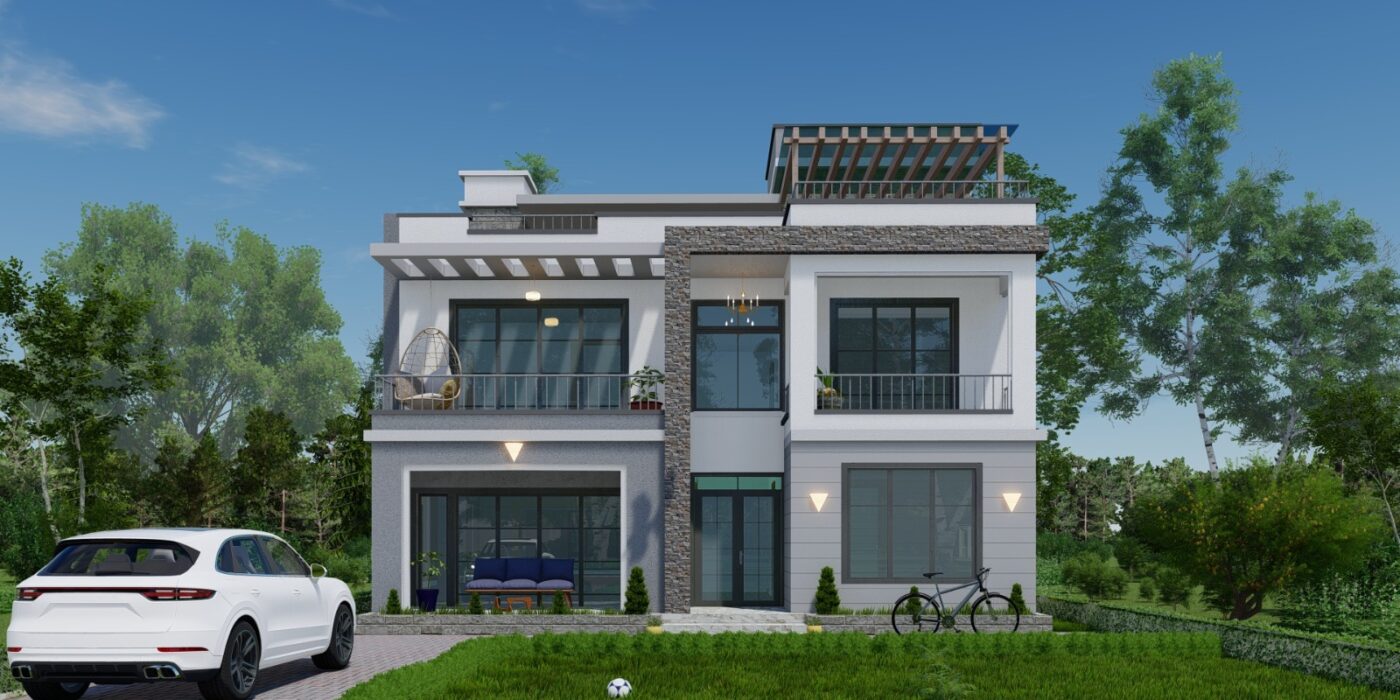
The “Cool” Revolution
If you’ve walked through a modern apartment in Nairobi or Mombasa lately, you’ve likely felt it: that stifling, trapped heat that makes air conditioning feel like a necessity. But as we move further into 2026, the most successful developers aren’t installing bigger AC units—they are changing how they build.
At Centimax Design & Construction, we are embracing the new Kenya National Green Building Roadmap. The goal? To create homes that stay naturally cool, bright, and cheap to run. Here is how “building green” is no longer just for the elite, but a practical strategy for every Kenyan homeowner.
1. Passive Cooling: Nature’s Free Air Conditioning
In our tropical climate, the sun is our greatest asset and our biggest challenge. Passive cooling house design is the art of positioning a building to minimize heat gain.
By strategically placing windows to catch the prevailing breezes and using wide eaves (overhangs) to shade the glass during the hottest parts of the day, we can keep indoor temperatures up to 5°C cooler than the outside. This isn’t “high-tech”—it’s smart architecture. When your house breathes on its own, your electricity bill for fans and cooling drops to zero.
2. The Shift to Low-Carbon Materials (LC3 Cement)
The “bones” of your house are changing. 2026 marks the rise of Limestone Calcined Clay Cement (LC3) in the Kenyan market. This sustainable construction material reduces carbon emissions by 40% during manufacturing but, more importantly for the homeowner, it offers incredible durability and thermal insulation.
Combined with compressed earth blocks or engineered timber, these materials help regulate indoor humidity and temperature much better than traditional “stone and mortar” alone. At Centimax, we guide our clients toward materials that offer the best “lifecycle value”—meaning they cost less to maintain over 20 years.
3. Daylight Harvesting: Banishing Dark Corridors
Many older designs in Kenya suffer from “dark cores,” where lights must be kept on even at noon. Green building standards in Kenya now prioritize daylight harvesting.
Through the use of clerestory windows (high-level windows) and light wells, we can flood the interior of a home with soft, natural light. This doesn’t just reduce your lighting bill; it has been scientifically proven to improve mood and productivity. It’s about making your living room feel like an outdoor sanctuary while remaining indoors.
4. Water Resilience and Circular Systems
With water costs rising in urban centers, a “green” home must be a water-wise home. We are now integrating dual-plumbing systems as a standard in our projects.
This allows for greywater recycling—where water from your shower or laundry is filtered and reused for flushing toilets or watering your garden. When you combine this with a robust rainwater harvesting system, your reliance on municipal water lines (or expensive bowsers) is drastically reduced.
5. The “Green Mortgage” Advantage
Perhaps the most “relatable” reason to go green in 2026 is the financial incentive. Kenyan banks and international lenders are now offering Green Mortgages with lower interest rates for projects that meet certified sustainability standards.
By building an eco-friendly home, you aren’t just saving on your monthly KPLC bill; you are potentially saving hundreds of thousands of shillings over the life of your loan.
Conclusion: Building for a Resilient Future
The future of construction in Kenya isn’t just about “putting up walls”—it’s about creating resilient, self-sustaining environments. At Centimax Design & Construction, we combine the latest in eco-friendly architecture with practical, local knowledge to ensure your project is a leader in this new era.
Whether you’re planning a single-family home or a large-scale commercial development, let’s make it green, efficient, and cost-effective.
Want to see our eco-friendly designs in action?
Visit www.centimaxconstruction.com to explore our recent “Passive Design” projects or talk to our lead architects today via 0768682844.