
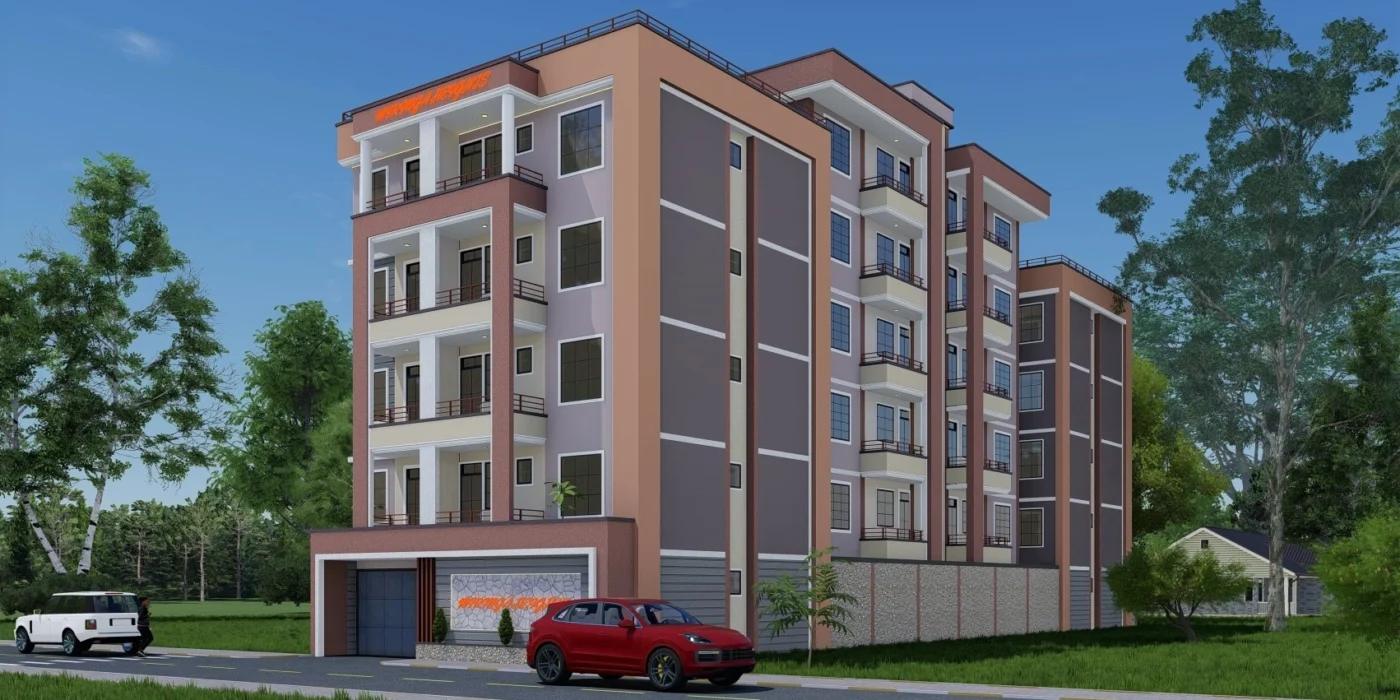
The new year in Nairobi began with a headline no one wanted to see: the catastrophic collapse of a 16-storey building on Muhoho Avenue in South C. As the dust settles and rescue teams work through the debris, the conversation has shifted from “How did this happen?” to a much more urgent question: “Is my building next?”
At Centimax Design & Construction, our hearts go out to those affected. But as industry leaders, we have a responsibility to speak the truth. This tragedy—and the dozens like it over the last decade—is a direct result of a “Shortcut Culture” that treats construction like a gamble rather than a science.
1. The 12 vs. 16 Floor Trap: The Danger of Unauthorized Overloading
Early reports and allegations suggest the South C building was authorized for 12 floors but was pushed to 16. In Kenya, we often see developers “adding a floor” mid-construction without re-engineering the foundation. This is structural suicide. A building’s foundation is designed for a specific load; pushing beyond that limit is like asking a person to carry three times their weight—eventually, the knees will buckle.
2. The New National Building Code 2024: No More Excuses
January 2026 marks a turning point. The National Building Code 2024 is no longer just a document on a shelf; it is the law. This code replaces outdated 1968 bylaws and introduces strict requirements for:
-
Multi-hazard Resilient Designs: Ensuring buildings can withstand tremors and heavy winds.
-
Mandatory Material Testing: The NCA has now deployed Mobile Testing Laboratories. If your contractor cannot prove the strength of the concrete they are pouring today, the NCA has the power to stop the project instantly.
-
Climate Resilience: New mandates for solar energy and rainwater harvesting are now standard, moving us toward a greener, safer Kenya.
3. Material Integrity: Beyond the “Cheap” Cement
Material failures—substandard steel and “fake” cement—remain a silent killer. A recent audit revealed that a significant percentage of buildings are at risk due to poor material integrity. At Centimax, we believe in Total Quality Assurance. We don’t just buy materials; we vet the supply chain. We use the latest analytical instruments to ensure that every bag of cement and every rebar meets the 2026 safety standards.
4. The Professional Gap: Why Licensing Matters
The Architectural Association of Kenya (AAK) has highlighted a major lapse in regulatory approvals. Some projects move forward with “fake” stamps or before NEMA and County clearances are finalized. Centimax operates on a “Compliance-First” policy. We handle the bureaucracy so that your project is not only physically strong but legally bulletproof. When you build with us, you aren’t just getting a contractor; you are getting a licensed team of Architects, Engineers, and Project Managers who put their professional reputations on every brick.
The Conclusion: A Call to Ethical Building The “South C incident” should be the last of its kind. As we move further into 2026, the market will belong to those who value life over quick profits. Whether you are building a family home or a commercial complex, don’t let your legacy become a statistic. Choose a partner who respects the code, the science, and the community.
Your safety is our priority. Let’s build a stronger, safer Kenya together. Contact our structural team for a site safety audit or a new project consultation.